Introduction to Medieval Weaponry
The medieval period was marked by continuous innovation in warfare, and at the heart of this transformation was the development of weaponry. From the early Middle Ages to the late medieval period, weapons evolved significantly in terms of design, materials, and battlefield functionality. These changes were not random, they were driven by the need to adapt to new combat strategies, improved armor, and shifting military tactics.
Understanding the evolution of medieval weaponry offers valuable insight into how warfare shaped societies, kingdoms, and empires. Each advancement reflects a response to real battlefield challenges, making medieval weapons not just tools of war but symbols of technological and strategic progress.
1. Early Medieval Weaponry: The Age of Axes and Spears
During the early Middle Ages (5th to 10th century), warfare was defined by practicality and accessibility. Armies relied heavily on infantry, and weapons needed to be effective, durable, and easy to produce.

Axes: Versatile and Powerful Weapons
Axes were among the most widely used weapons of this period. Their construction a wooden shaft with a forged metal head—made them both simple and deadly.
Types of Medieval Axes
-
Battle axes for heavy combat
-
Throwing axes (Franciscas) for ranged disruption
-
Bearded axes for hooking shields and enemies
The versatility of axes made them essential across cultures, particularly among Viking and Anglo-Saxon warriors.
2. Spears and the Evolution into Pike Warfare
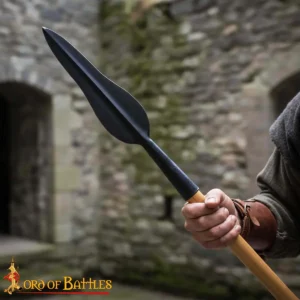
Spears formed the backbone of early weaponry due to their affordability and effectiveness. They were widely used by infantry formations across Europe.
Development of Spear Design
-
Increased length for better reach
-
Reinforced spearheads for armor penetration
-
Balanced construction for thrusting and throwing
Transition to Pike Formations
As warfare became more organized, spears evolved into pikes longer weapons used in tight formations. Pike formations were highly effective in defending against cavalry, marking a significant tactical advancement.
3. High Medieval Weaponry: The Rise of Swords
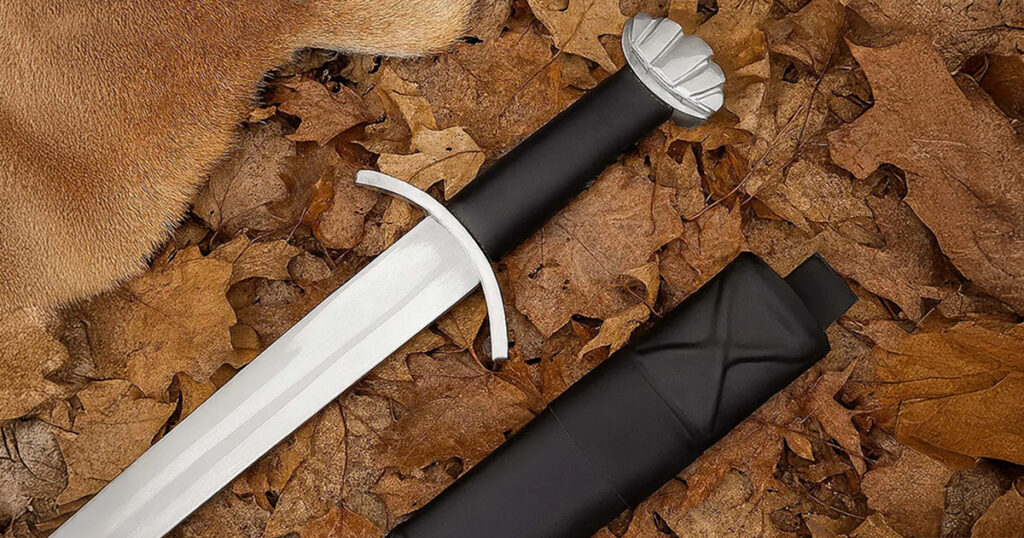
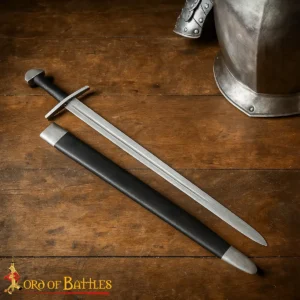
The High Middle Ages (11th to 13th century) saw the emergence of swords as a dominant weapon, particularly among knights and nobility.
Swords required advanced metallurgy and skilled craftsmanship, making them both effective and prestigious.
Key developments included:
-
Transition from cutting-focused blades to thrusting designs
-
Improved balance and durability
-
Double-edged blades for versatility
Swords became symbols of status, honor, and battlefield effectiveness.
4. Crossbows: Revolutionising Ranged Combat
Crossbows transformed weaponry by making ranged combat more accessible and lethal. Unlike longbows, they required less physical strength and training.
Advantages of Crossbows
-
High penetration against armor
-
Mechanical loading for consistent power
-
Greater accuracy at shorter ranges
Crossbows were capable of piercing chainmail and even threatening plate armor, making them a feared weapon across medieval battlefields.
5. Late Medieval Weaponry: Siege Machines and Firearms
The Late Middle Ages (14th to 15th century) introduced large-scale warfare innovations, especially in siege tactics and early gunpowder weapons.
Siege Weapons: Engineering Power
-
Trebuchets for long-distance projectile launching
-
Catapults for rapid attacks
-
Battering rams for breaking gates
Introduction of Firearms
Gunpowder weapons such as hand cannons and early firearms began to appear. Though initially unreliable, they introduced a new era of warfare with:
-
Armor-penetrating capabilities
-
Psychological impact
-
Reduced reliance on physical strength
Cannons eventually transformed siege warfare by rendering traditional fortifications vulnerable.
6. Advancements in Materials and Armor Interaction
The evolution of medieval weaponry accessories, was heavily influenced by improvements in materials and armor technology.
Metallurgical Advancements
-
Transition from iron to high-quality steel
-
Heat treatment for stronger blades
-
Precision forging techniques
Weapons became sharper, stronger, and more reliable.
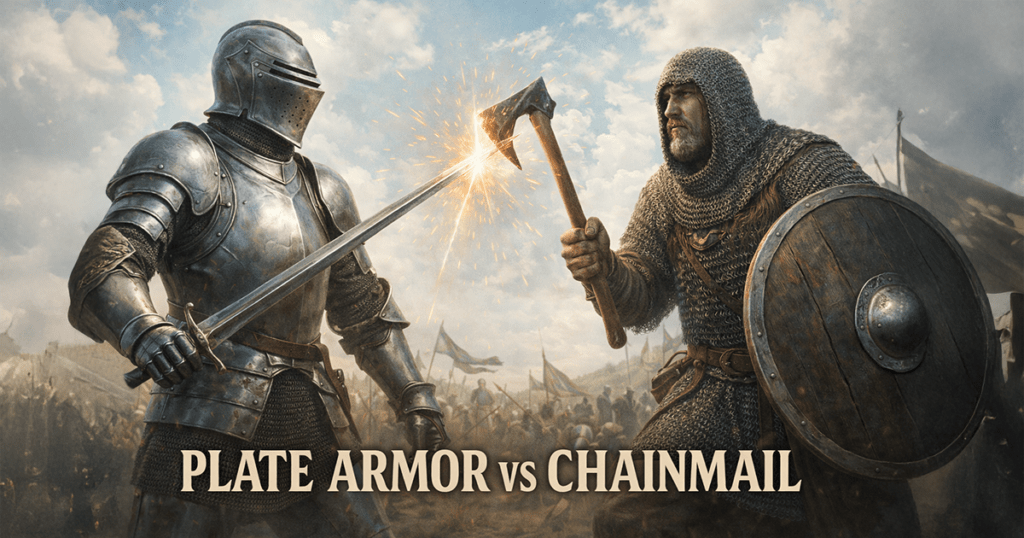
Weapons vs Armor Evolution
-
Chainmail led to blunt-force weapons like maces
-
Plate armor encouraged thrusting weapons
-
War hammers emerged to counter heavy protection
This continuous adaptation created a technological arms race throughout the medieval period.
7. Battlefield Tactics and the Legacy of Medieval Weaponry
As weapons evolved, so did battlefield strategies. Medieval warfare became increasingly organized and tactical.
Key developments included:
-
Formation-based combat using spears and pikes
-
Cavalry charges with lances and swords
-
Combined arms tactics integrating infantry, archers, and siege units
These strategies maximized weapon effectiveness and determined the outcomes of battles.
The legacy of medieval weaponry continues today. It laid the foundation for modern military design, while also remaining significant in historical study, reenactments, and collecting.
Conclusion
The development of medieval weaponry over time reflects a dynamic response to the demands of warfare. From simple axes and spears to advanced firearms and siege engines, each stage represents innovation driven by necessity.
As armor improved, weapons adapted. As tactics evolved, new designs emerged. This constant cycle of advancement shaped not only medieval warfare but also the course of history.
Medieval weaponry stands as a testament to human ingenuity, craftsmanship, and the relentless pursuit of superiority in battle.
Frequently Asked Questions (FAQs)
Q: What weapons were used in medieval times?
A: Medieval weaponry included a wide range of arms such as swords, axes, spears, maces, bows, crossbows, and later firearms. Siege weapons like trebuchets and battering rams were also commonly used during warfare, especially in castle sieges.
Q: What is the best medieval weapon?
A: There was no single “best” medieval weapon, as effectiveness depended on the situation. Swords were versatile for close combat, spears were highly effective in formations, and crossbows were powerful for ranged attacks. Each weapon had its own advantages based on battlefield conditions.
Q: How many medieval weapons are there?
A: There is no exact number, but medieval weaponry includes dozens of types across categories such as melee weapons, ranged weapons, and siege equipment. Variations in design, region, and purpose resulted in a wide diversity of weapons throughout the medieval period.
Q: How were medieval weapons made?
A: Medieval weapons were typically made by blacksmiths using iron or steel. The process involved forging, heating, hammering, and tempering the metal to create strong and durable weapons. Skilled craftsmanship was essential for producing high-quality arms, especially swords.
Q: What weapons did medieval knights use?
A: Medieval knights commonly used swords, lances, maces, and daggers. They also carried shields for defense. As armor improved, knights often used weapons like war hammers and maces to effectively combat heavily armored opponents.