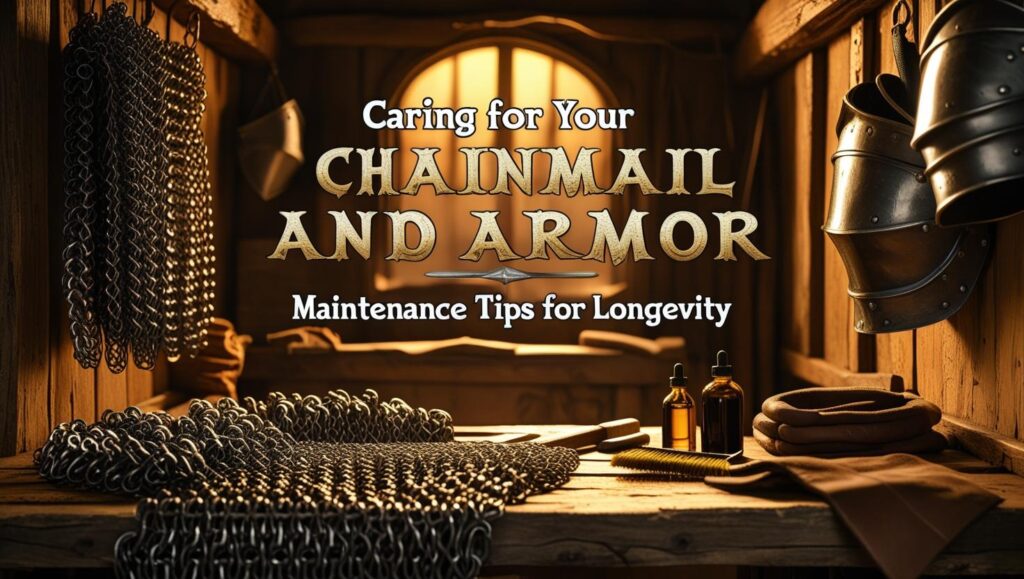
The XV century marked a significant period in medieval history, particularly when it comes to the prowess and valor of Teutonic knights. These noble warriors donned exceptional armor that not only protected them during battle but also exuded an air of intimidation and awe. In this article, we delve into the intricate details of Teutonic knight armor, exploring its design, materials used, and the significance it held during the XV century.
The Significance of Teutonic Knight Armor in the XV Century
During the XV century, Teutonic knights played a pivotal role in various military campaigns and conflicts. These heavily armored warriors were known for their unwavering loyalty, bravery, and unwavering dedication to their cause. The Teutonic knight armor was more than just a means of protection—it symbolized the might and power of these esteemed knights.
Design and Construction of Teutonic Knight Armor
Teutonic knight armor was crafted with meticulous attention to detail, taking into account both functionality and aesthetics. It was designed to provide maximum protection while ensuring mobility on the battlefield. The armor typically consisted of several components, including:
-
Helmet: The helmet, also known as the bascinet, was one of the most crucial parts of the armor. It covered the knight's head and provided protection for their face, often featuring a visor that could be raised or lowered during combat.
-
Breastplate and Backplate: The breastplate and backplate formed the core of the armor, protecting the knight's chest and back from enemy strikes. These plates were often forged from sturdy metals like steel or iron, with intricate engravings and designs adding a touch of grandeur.
-
Arm and Leg Armor: To safeguard their limbs, Teutonic knights wore arm and leg armor. The arms were protected by vambraces, gauntlets, and rerebraces, while the legs were shielded by greaves and poleyns. This comprehensive coverage ensured that the knights could engage in combat without fear of injury.
-
Gorget: The gorget was worn around the neck and provided protection to this vulnerable area. It was often embellished with ornate designs, showcasing the knight's status and wealth.
Materials Used in Teutonic Knight Armor
Teutonic knight armor was typically fashioned from high-quality materials that offered exceptional durability and protection on the battlefield. The primary materials used included:
-
Steel: Steel was the foundation of Teutonic knight armor, providing strength and resilience against enemy attacks. It was often heat treated and tempered to enhance its durability.
-
Leather: Leather was frequently incorporated into the armor, mainly for comfort and flexibility. Leather straps and padding were used to secure the armor, ensuring a snug fit and ease of movement.
-
Metal Alloys: Some pieces of the armor, such as the helmet visor and gauntlets, were crafted using metal alloys. These alloys combined the strength of steel with other metals to create lightweight yet sturdy components.
Teutonic Knight Armor's Legacy
The Teutonic knight armor of the XV century left an indelible mark on the history of medieval warfare. Its intricate design, superb craftsmanship, and undeniable durability continue to captivate historians and enthusiasts alike. Today, replicas of Teutonic knight armor serve as a testament to the valor and skill of these warriors, providing a tangible connection to the past.
At Medieworld.com, we pride ourselves on offering a wide range of meticulously crafted Teutonic knight armor replicas. From leather armors to gauntlets, helmets to greaves, our collection brings the spirit of the XV century alive. Visit our Leather Armor, Arm Armours, Gorgets, Leather Headgear, and Leather Shoes categories to explore our exquisite selection.
Frequently Asked Questions
Q: Were Teutonic knights the only ones wearing this type of armor during the XV century?
A: While Teutonic knights were known for their distinctive armor, other knights and warriors of the XV century also wore similar styles of armor. Each region had its own variations and designs, reflecting the unique characteristics of different medieval cultures.
Q: How heavy were Teutonic knight armor sets?
A: The weight of Teutonic knight armor sets varied depending on the specific components and customization. On average, a complete set of armor could weigh anywhere between 30 to 50 kilograms (66 to 110 pounds).
Q: Did Teutonic knights personalize their armor with heraldic symbols?
A: Yes, Teutonic knights often personalized their armor with heraldic symbols and colors that represented their noble lineage and affiliation. These symbols served as a means of identification on the battlefield and during tournaments.
Q: What advancements were made to armor design after the XV century?
A: The XVI century witnessed significant advancements in armor design, with the emergence of more maneuverable plate armor. This new generation of armor offered enhanced protection and greater flexibility, reflecting the changing nature of warfare during that era.
Q: Can I purchase a custom-made Teutonic knight armor?
A: While Medieworld.com offers an extensive selection of Teutonic knight armor replicas, customization options are also available. Reach out to our team to explore personalized options that meet your specific requirements and preferences.