
Creating Immersive Time Travel Experiences: The Power of Virtual Reality
Creating Immersive Time Travel Experiences with Virtual Reality
In recent years, virtual reality (VR) technology has progressed rapidly, allowing us to immerse ourselves in new worlds and experiences. One particularly fascinating application of this technology is the ability to take users back in time, offering them a unique perspective on historical events. This article will focus on the concept of creating virtual reality experiences that transport users to the past, allowing them to witness and interact with historical events firsthand.
Choosing the Right Historical Event
When designing a VR experience centered around a historical event, it’s essential to select an event that is both significant and engaging for users. Some possible options might include ancient civilizations, famous battles, or critical moments in human history. The chosen event should be well-documented, allowing for accurate and detailed recreations of the environment, people, and culture involved. By focusing on an event that resonates with users, you can create a virtual reality experience that captivates and educates.
Research and Authenticity
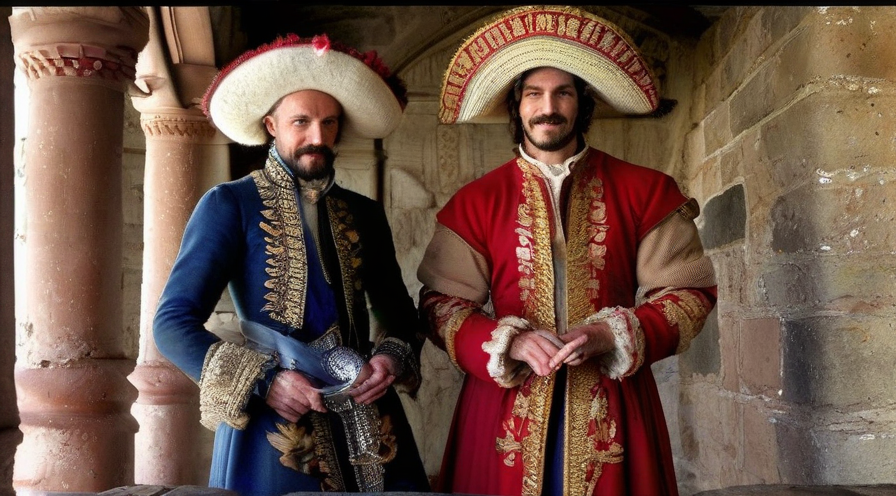
In order to create a truly immersive virtual reality experience, attention to detail is crucial. This requires extensive research into the chosen historical event, including clothing, architecture, language, and customs. Collaboration with historians, archaeologists, and other experts is vital to ensure an accurate and authentic representation of the past. By incorporating this historical research into your VR experience, you can transport users back in time, providing them with a realistic and engaging journey into history.
Interactive Elements and Storytelling
One key aspect of creating a successful VR experience is incorporating interactive elements and storytelling. Users should be able to interact with their surroundings, engage with characters, and have some degree of agency in shaping the narrative. This not only heightens the sense of immersion but also makes the experience more memorable and impactful. Through skillful storytelling and interaction, users can develop a deeper understanding and appreciation for the historical event, making the virtual reality experience a powerful educational tool.
Current Trends and Future Directions
As VR technology continues to advance, we can expect to see even more immersive and sophisticated experiences that transport users back in time. Current trends in historical VR experiences include collaborations between museums, educational institutions, and game developers to create engaging, interactive content. In the future, we may see the rise of personalized experiences, allowing users to tailor their journey into the past based on their interests and preferences.
By focusing on a single historical event, conducting thorough research, and incorporating interactive elements and storytelling, developers can create virtual reality experiences that provide users with an unforgettable trip through time. This innovative approach to education and entertainment has the potential to revolutionize how we learn about and engage with history, making the past more accessible and relevant than ever before.
More Interesting Posts

Viking Swords: History, Design & Craftsmanship of Viking Age Blades

Hauberk vs Haubergeon : Understanding Medieval Chainmail Armor
15th Century Male Clothing: A Fashion Journey Through Medieval Times

