Medieval Tunic: A Wardrobe Essential for the Medieval Enthusiast
If you're a fan of medieval history or enjoy participating in reenactments, a medieval tunic is an essential item in your wardrobe. Whether you're a knight in shining armor or a humble peasant, the tunic is a versatile piece of clothing that can be worn in various styles and for different occasions. In this article, we will explore the history and significance of the medieval tunic, the different styles available, and where you can find the perfect one to add to your collection.
The History of the Medieval Tunic
The medieval tunic has a rich history that dates back to the Middle Ages. It was a basic garment worn by both men and women during this time period. The tunic was typically made of linen or wool, depending on the social status of the wearer. The length of the tunic varied, with nobles often wearing longer tunics while peasants opted for shorter ones.
The tunic served as an undergarment and was usually worn beneath other layers of clothing such as a cloak or a surcoat. It provided warmth and comfort while also allowing for ease of movement. The sleeves of the tunic could be long, short, or even sleeveless, depending on the fashion trends of the era.
Styles of Medieval Tunics
There are several different styles of medieval tunics to choose from, each with its own unique features. Let's explore a few popular styles:
1. Basic Tunic
The basic tunic is a simple and versatile option that can be worn by both men and women. It is usually knee-length with long sleeves, making it suitable for colder weather. The basic tunic can be worn on its own or paired with other garments for a layered look.
2. Surcoat
The surcoat is a loose-fitting tunic that was worn over armor during battles. It provided an additional layer of protection and helped to distinguish knights on the battlefield. The surcoat was often emblazoned with the knight's coat of arms, adding a touch of personalization to their attire.
3. Sleevesless Tunic
The sleeveless tunic, also known as a tunic dress, was a popular choice for women during the medieval period. It featured a loose and flowing silhouette that allowed for freedom of movement. The sleeveless tunic was often embellished with intricate embroidery or decorative trimmings, adding a touch of elegance to the wearer's ensemble.
Where to Find the Perfect Medieval Tunic
If you're looking to add a medieval tunic to your collection, you're in luck. Medieworld.com offers a wide range of authentic and high-quality medieval clothing, including tunics. Whether you're a history enthusiast, a cosplayer, or simply someone looking for a unique addition to your wardrobe, Medieworld.com has got you covered.
Visit their website today to explore their collection of medieval tunics and other related items like cloaks, spear heads, and stainless steel mail. You'll find a wide range of styles, colors, and sizes to choose from, ensuring that you find the perfect tunic to suit your needs and preferences.
Frequently Asked Questions
Q: Are medieval tunics only for reenactments or can they be worn as everyday clothing?
A: While medieval tunics are popular among history enthusiasts and reenactors, they can also be worn as everyday clothing. Depending on the style and fabric, you can incorporate a medieval tunic into your modern wardrobe for a unique and stylish look.
Q: How do I know what size tunic to choose?
A: It's important to refer to the size guide provided by the retailer to ensure a proper fit. Take accurate measurements of your chest, waist, and hips, and compare them to the size chart to determine the best size for you.
Q: Can I customize my medieval tunic with additional embellishments?
A: Yes, you can personalize your medieval tunic by adding your own embellishments such as embroidery, trims, or accessories. This allows you to create a unique and customized look that reflects your personal style.
Q: How should I care for my medieval tunic?
A: The care instructions for your medieval tunic will depend on the fabric it is made from. In general, it is recommended to follow the manufacturer's guidelines for washing and drying. It's also a good idea to store your tunic in a cool, dry place to prevent any damage.
Remember, a medieval tunic is more than just a piece of clothing. It's a gateway to the fascinating world of medieval history and fashion. Whether you're attending a themed event, participating in a reenactment, or simply expressing your love for the Middle Ages, a medieval tunic is a must-have item for any medieval enthusiast. Visit Medieworld.com today and embark on your own medieval fashion journey.
More Interesting Posts
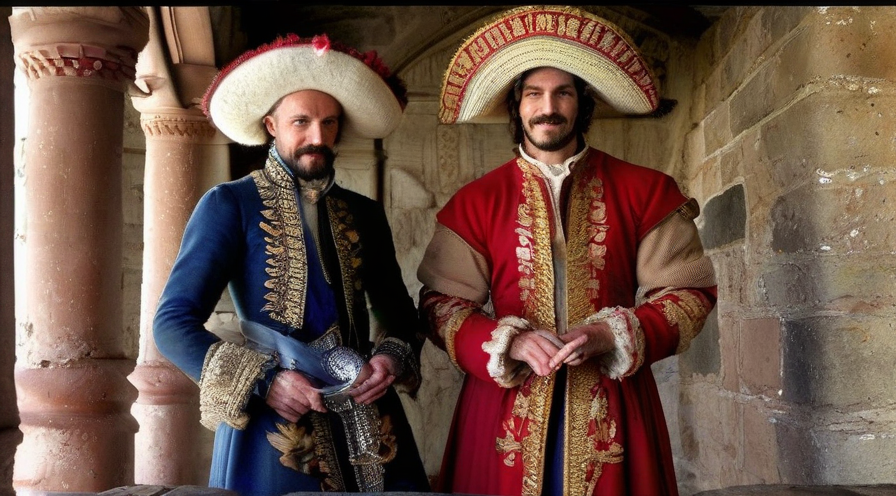
15th Century Male Clothing: A Fashion Journey Through Medieval Times

Exploring the Beauty of Medieval Music
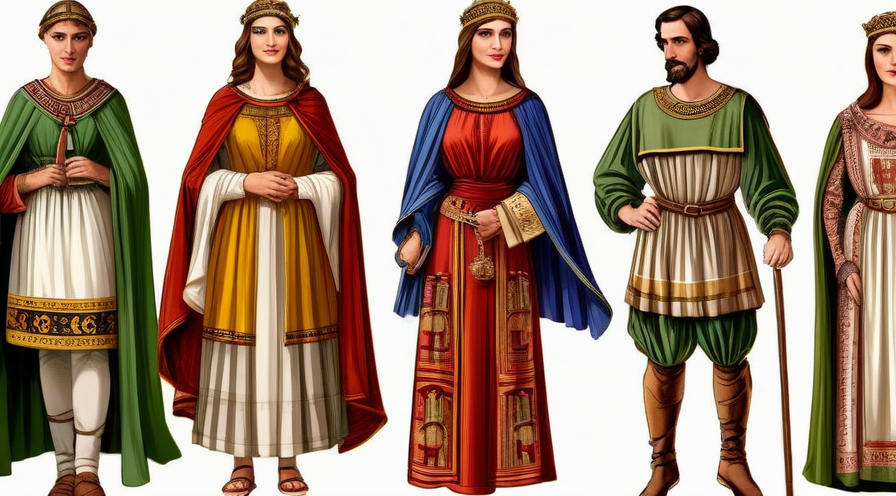
Greek Tunics & Cloaks: A Fashion Statement from Medieval Times